


The Green Ride?

October 24, 2025
Unpacking the Environmental Impact of Electric Golf Carts & LSVs Electric golf carts and Low-Speed Vehicles (LSVs) have...
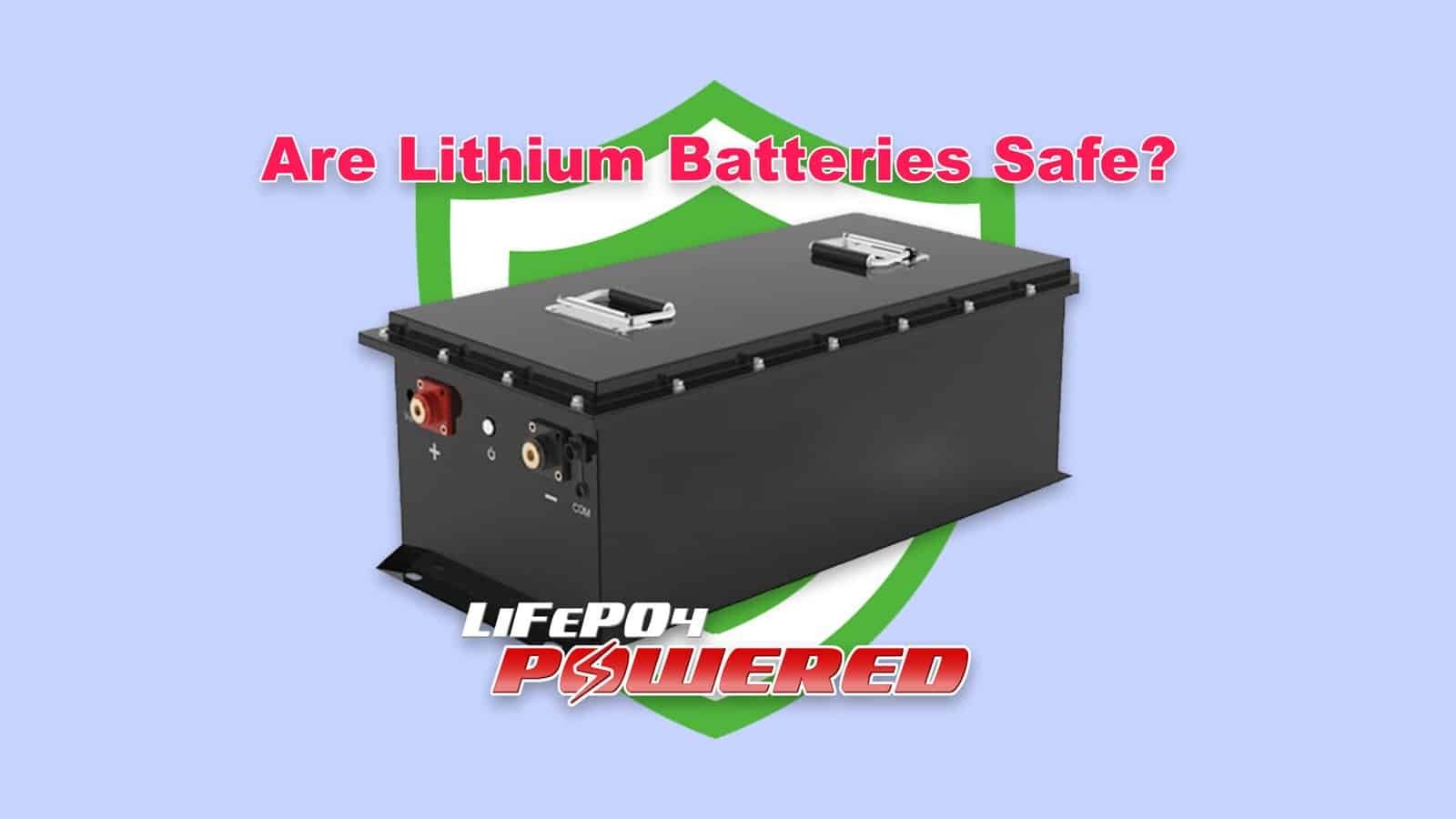
Yes, lithium golf cart batteries are generally safe—and in many ways, they’re safer and more reliable than traditional lead-acid batteries when properly installed and maintained. Here’s a clear breakdown:
 Why Lithium Golf Cart Batteries Are Safe
Built-in Battery Management Systems (BMS):
Every quality lithium battery comes with a BMS that:
Stable Chemistry:
Most modern lithium golf cart batteries use LiFePO₄ (Lithium Iron Phosphate), which is:
No Off-Gassing or Acid Leaks:
Unlike lead-acid batteries, lithium batteries don’t produce harmful gases or spillable acid, making them cleaner and safer for indoor storage or enclosed carts.
 When Safety Can Be a Concern
Like any battery, lithium systems must be:
Cheap, off-brand lithium batteries without BMS protection or improperly installed systems can pose risks—so it’s important to buy from a trusted dealer or manufacturer.
 Pro Tips:
If you’re buying a new cart or upgrading to lithium, make sure the system includes:
 In Summary:
| Feature | Lithium (LiFePO₄) | Lead-Acid |
|---|---|---|
| Fire risk | Very low (w/ BMS) | Low–moderate (can off-gas) |
| Spill risk | None | Yes (acid leaks possible) |
| Maintenance | None | Regular water checks |
| Built-in protection | (BMS) |  |
| Overall safety | High | Moderate |


